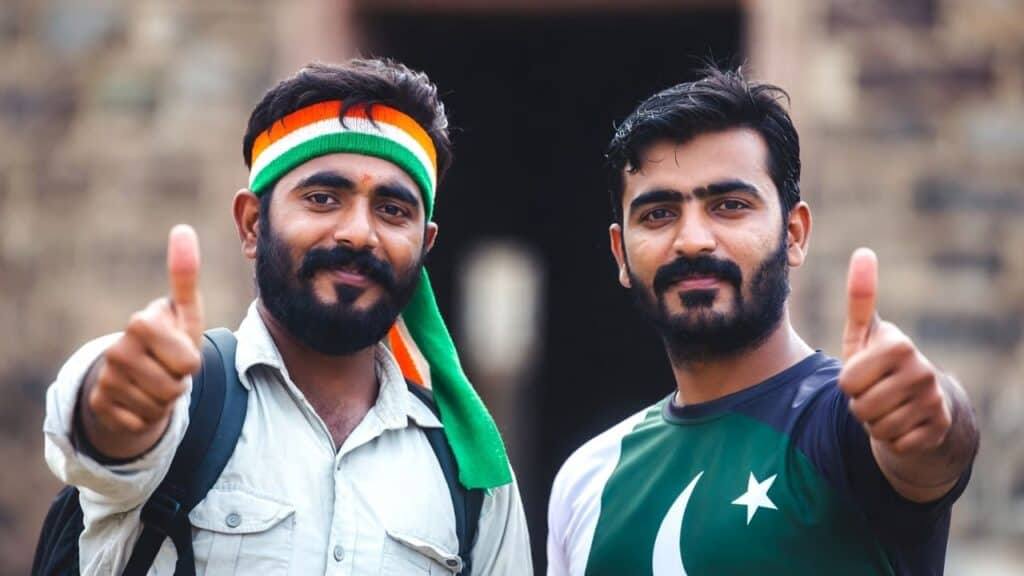
Can You Really Travel Between Pakistan and India? Here’s the Truth
It’s one of the most common—and most misunderstood—travel questions in South Asia:
Can you travel from Pakistan to India? Or from India to Pakistan?
Despite the politics, headlines, and endless rumors, the answer is refreshingly simple:
Yes, you can. And thousands of people do it every year.
India and Pakistan share far more than a border. They share food, language, music, history, and an emotional connection that refuses to disappear—even when governments don’t see eye to eye. That’s exactly why travelers are so curious about visiting both countries in one journey.
I’ve spent years traveling, collected multiple visas, crossed borders, dealt with immigration officers, and heard all the warnings people love to repeat. So let’s cut through the noise and talk about how it actually works.
Table of Contents
The One Thing That Matters Most: Your Visa

Everything about traveling between Pakistan and India depends on one thing—and one thing only:
Your visa.
How you cross the border, whether you can travel overland, and even which routes are available all come down to the type of visa you hold.
Traveling from Pakistan to India: What You Need to Know
This direction is slightly more complicated because India has stricter entry rules.
Entering India with an e-Visa
If you’re already in Pakistan and hold an Indian e-visa, you cannot cross by land. Your only option is to fly into India.
There are currently no direct flights between Pakistan and India, so travelers usually connect through a Middle Eastern hub. Dubai is the most popular and affordable option—thanks to frequent budget flights from Pakistan and easy onward connections to cities like New Delhi.
Entering India with a Sticker Visa
If you have a traditional sticker visa (stamped into your passport), things get easier.
With this visa, you’re allowed to cross by land at the Wagah Border near Lahore. You must apply for this visa through an Indian embassy or authorized visa service. Yes—this can even be done while you’re in Pakistan, typically via Islamabad.
Traveling from India to Pakistan: Surprisingly Simple
This direction is much more straightforward.
No matter whether you’re in India on an e-visa or a regular visa, you can enter Pakistan by land or by air once you receive a Pakistan e-visa.
Pakistan’s e-visa is accepted at all major airports and land borders. One important tip:
If you plan to return to India afterward, make sure your Indian e-visa is multiple-entry.
Is It Safe to Travel Between Pakistan and India?
Short answer: Yes.
The Wagah Border—the only open land crossing between the two countries—is one of the most heavily secured and well-managed borders in the region. Every evening, thousands of locals and foreign tourists gather there to watch the famous border-closing ceremony. If it were unsafe, spectators wouldn’t be allowed anywhere near it.
While you may hear about tensions along other parts of the border, those incidents are largely confined to restricted areas like the Line of Control (LoC) in Kashmir—places tourists aren’t allowed to visit anyway.
As for traveling within either country, both are perfectly safe for visitors who use common sense. India is more accustomed to mass tourism, while Pakistan can feel more adventurous, less polished and with friendliest people—but that’s part of its charm.
Will Visiting Pakistan Affect My Indian Visa (or Vice Versa)?
This is one of the biggest fears travelers have—and one of the most exaggerated.
In reality, traveling between the two countries rarely causes visa problems.
Yes, you might get a curious glance from an immigration officer. Unless you’re doing something genuinely suspicious, visiting one country does not automatically jeopardize future visas for the other.
The Only Land Border You Can Use: Wagah
If you’re crossing overland, there’s just one option:
The Wagah Border, located about an hour from Lahore.
It’s easy to reach by taxi or rickshaw, but timing is important. Arrive before early afternoon, as the border closes around 3 PM to prepare for the daily ceremony held near sunset.
Are There Trains Between Pakistan and India?
At the moment, no.
There used to be a passenger train connecting the two countries, but it’s currently suspended due to political tensions and low passenger numbers. It’s a real shame—train travel in both countries is unforgettable—but for now, it’s not an option and by the time you are reading this, maybe trains have started between India and Pakistan. So, make sure double check on other resources as well.
What About Flights?
There are no direct flights between Pakistan and India today.
Years ago, airlines like PIA operated routes between the two countries, but they were eventually discontinued. Today, travelers fly via third countries such as Dubai, Doha, or Abu Dhabi. Dubai remains the most convenient and budget-friendly option for most people.
Can You Cross the Border in Your Own Vehicle?
Yes—you can.
- On foot or bicycle: Very easy. The process is the same as walking across.
- By car or motorcycle: You’ll need a Carnet de Passage, which acts as a passport for your vehicle. As long as your paperwork is in order and you get the correct exit and entry stamps, customs procedures are manageable.
Final Thoughts
At the end, I would say despite everything you may hear, traveling between Pakistan and India is possible, legal, and far less intimidating than people assume. With the right visa and a bit of planning, you can experience two of South Asia’s most fascinating countries in a single journey.
And honestly? Visiting both gives you a deeper understanding of just how connected they really are.
If you found this blog helpful, It would be great if you could share it with your family and friends who might find it useful as well. Also you can join our traveler community and meet other travel lovers, share tips and travel experiences with each other.
Please subscribe to my YouTube channel “Ugly And Traveling” and watch 4K travel vlogs.
Stay safe and much love!
Traveling with the green 💚 passport
Take only memories✈️leave only footprints.